Dog Wash in Johnson City, TN Without the Mess at Home
Bathing a dog at home usually means a soaked bathroom floor, clogged drains, wet towels everywhere, and a sore back from leaning over the tub. A dog wash solves all of that by giving you a dedicated space designed for bathing pets. At Pit Stop Wash Center, our dog wash in Johnson City, TN lets you clean your dog after a muddy hike, a roll in something unpleasant, or just a few weeks of everyday dirt, then leave the cleanup behind.
Bring your dog to Pit Stop Wash Center
for an easy, mess-free dog wash in Johnson City, TN.
One Stop for Your Car, Your Laundry, and Your Dog
How a Dog Wash Visit Works
A dog wash visit follows a simple routine. Knowing each step ahead of time helps both you and your dog stay relaxed.
Brushing Before the Bath
Brushing out loose fur and tangles before your dog wash makes the bath more effective. Mats trap water and shampoo against the skin, and loose undercoat can clog up quickly once wet.
Securing Your Dog
A dog wash station keeps your dog at a comfortable working height so you aren't bent over. Using a leash or tether keeps your dog safely in place throughout the bath.
Wetting the Coat Thoroughly
Starting at the neck and working back toward the tail, soak the coat all the way to the skin. Double-coated breeds like huskies, shepherds, and golden retrievers take extra time to saturate fully.
Shampooing
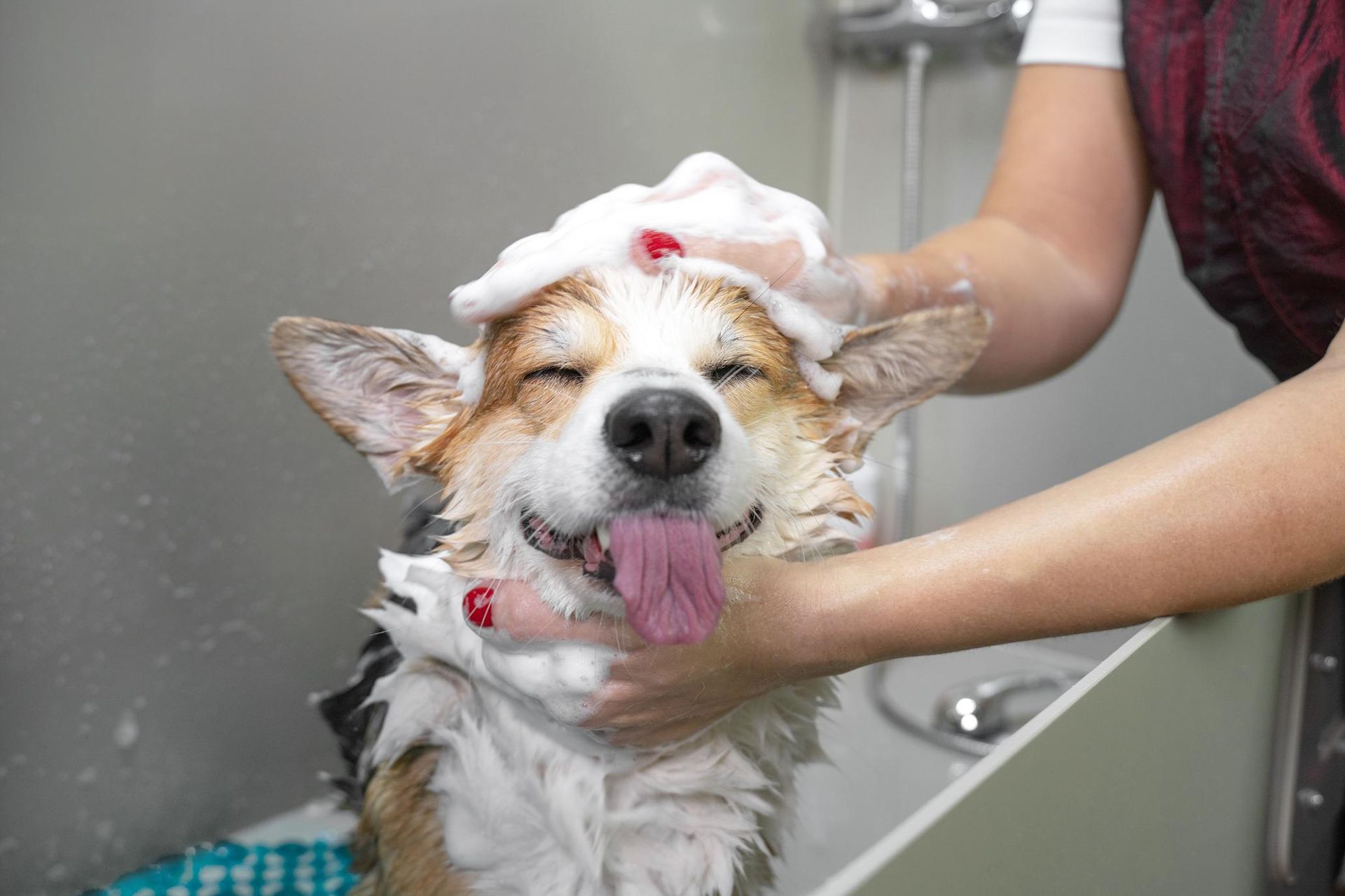
Massage shampoo into the coat, paying attention to the belly, legs, paws, and under the tail where dirt collects most. Keep shampoo away from the eyes and ears.
Rinsing Completely
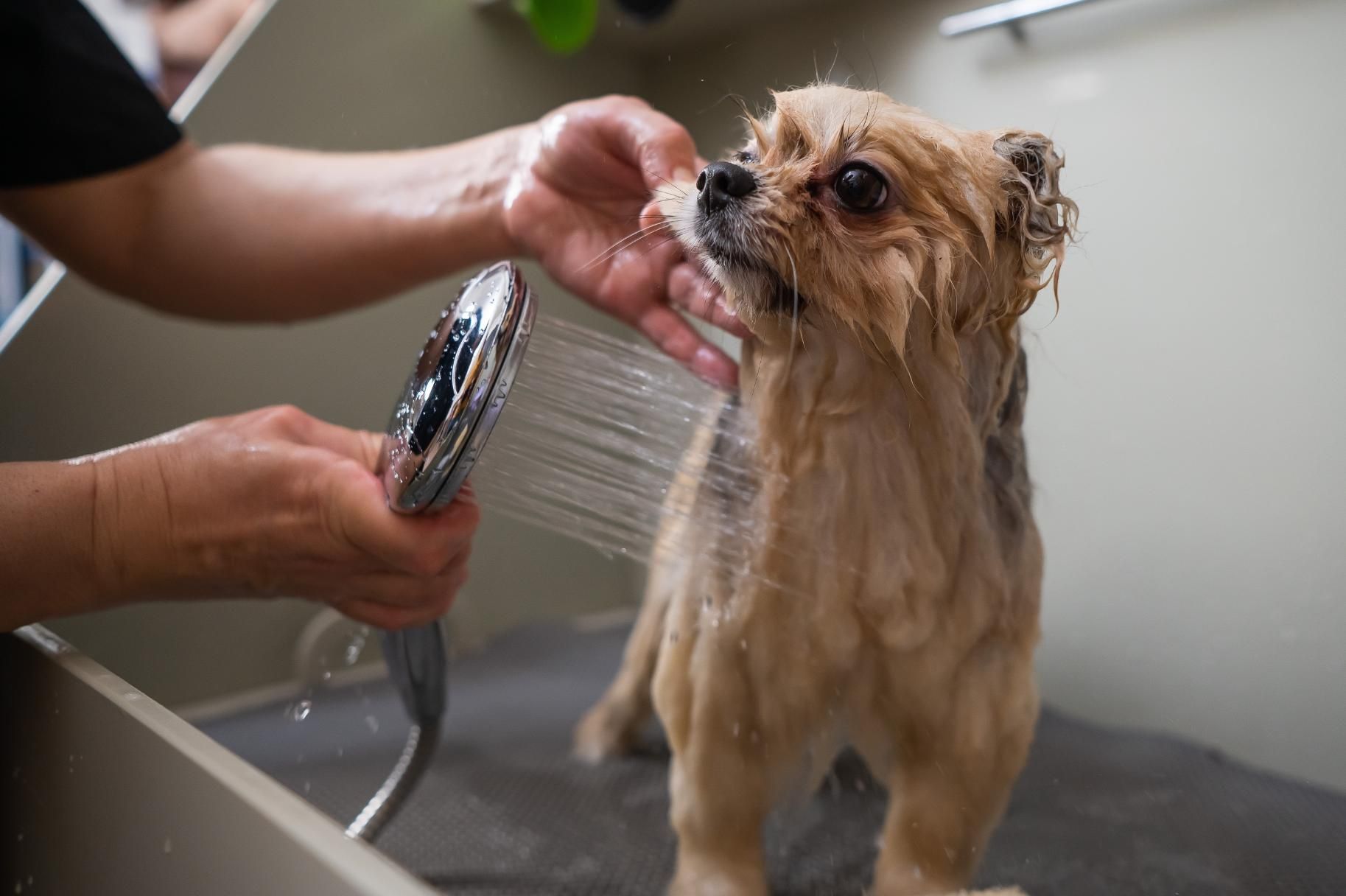
Rinsing is the most important part of any dog wash. Leftover shampoo can irritate skin and cause itching. Keep rinsing until the water runs clear and the coat no longer feels slippery.
Drying
Towel drying removes most of the water, and a pet-safe dryer helps finish the job, especially for thick coats that stay damp for hours.
When Your Dog Needs a Dog Wash
How often a dog needs a bath depends on breed, coat type, and lifestyle. In East Tennessee, outdoor activity plays a big role.
After Hikes and Trail Time
Dogs who explore trails at Buffalo Mountain Park, Winged Deer Park, or along the Tweetsie Trail often come home covered in mud, burrs, and red clay. A dog wash after these outings keeps that dirt out of your car and home.
After Swimming
Dogs that swim in Boone Lake, Watauga Lake, or local creeks can carry algae, bacteria, and a strong odor. A freshwater dog wash afterward helps clean the coat and skin.
When Odor Builds Up
A noticeable smell is usually a sign that oils and dirt have accumulated in the coat. A dog wash resets things quickly.
During Shedding Season
Spring and fall shedding in double-coated breeds can fill a house with fur. A dog wash combined with thorough brushing helps loosen and remove dead undercoat.
For Allergy Management
Regular bathing can reduce pollen and dander on your dog's coat, which may help allergy-prone households during heavy spring pollen in the Tri-Cities.
Stop by Pit Stop Wash Center
after your next trail day for a dog wash in Johnson City, TN that keeps the mud out of your house.
Choose the car wash, laundromat, or dog wash service you need and visit Pit Stop Wash Center in Johnson City, TN.
Park Strategically
Avoiding parking directly under pine trees or near construction sites reduces sap and dust exposure.
Visit Pit Stop Wash Center for a dependable car wash in Johnson City, TN and drive away with a vehicle that looks and feels cared for.
Choosing the Right Products for a Dog Wash
Using the right products makes a real difference in how your dog's coat and skin respond.
Dog-Specific Shampoo
Human shampoo is formulated for a different skin pH and can dry out a dog's skin. A dog wash should always use shampoo made for dogs.
Conditioner for Long Coats
Breeds with long or silky coats such as doodles, shih tzus, and spaniels benefit from conditioner, which reduces tangles and makes brushing easier after the dog wash.
Sensitive Skin Formulas
Dogs with dry or sensitive skin may do better with oatmeal-based or fragrance-free shampoos. Your veterinarian can recommend a product if your dog has a skin condition.
Flea Treatment Considerations
Medicated or flea shampoos should only be used as directed, and some topical flea treatments recommend waiting a certain amount of time before or after bathing. Check product labels before your dog wash.
Dog Wash Tips for Different Breeds and Temperaments
Every dog handles bath time differently. A few adjustments help the dog wash go smoothly.
Give your dog a fresh, clean coat with a dog wash at Pit Stop Wash Center in Johnson City, TN.
Small Breeds
Small dogs get cold quickly once wet, so drying them promptly after the dog wash keeps them comfortable.
Large and Giant Breeds
Big dogs take longer to soak, shampoo, and rinse. Planning extra time and working in sections helps ensure nothing gets missed.
Short-Coated Dogs
Breeds like labs, boxers, and pit bulls wash and dry quickly, but their shedding hair still benefits from a rubber curry brush during the dog wash.
Nervous Dogs
Bringing treats, speaking calmly, and keeping the water lukewarm helps anxious dogs relax. Short, positive visits build confidence over time.
Puppies
Introducing puppies to a dog wash early helps them get used to water, handling, and drying, which makes grooming easier for the rest of their lives.
Senior Dogs
Older dogs may have joint stiffness, so gentle handling and keeping the bath short helps them stay comfortable.
Frequently Asked Questions About Dog Wash Services in Johnson City, TN
How often should I take my dog to a dog wash?
Most dogs do well with a dog wash every four to eight weeks. Active dogs that hike, swim, or play outdoors often may need more frequent baths.
Is a dog wash better than bathing my dog at home?
A dog wash keeps the mess, wet fur, and clogged drains out of your home and puts your dog at a comfortable height, which is easier on your back and gives you better control.
Can I use human shampoo on my dog?
No. Human shampoo is designed for a different skin pH and can dry out or irritate a dog's skin. Use a shampoo made specifically for dogs.
How do I keep water out of my dog's ears during a dog wash?
Avoid spraying water directly into the ears and wash the head last with a damp cloth. Some owners place cotton balls gently in the outer ear to help keep water out.
What should I bring to a dog wash?
A leash, a brush, treats, and a towel for the ride home are helpful. If your dog uses a specific medicated shampoo, bring that as well.
Can puppies use a dog wash?
Yes. A dog wash is a great way to introduce puppies to bathing. Keep the first visits short, use lukewarm water, and reward calm behavior.
How do I dry a dog with a thick double coat?
Towel off as much water as possible, then use a pet-safe dryer on a lower setting, working against the direction of hair growth to reach the undercoat. Thick coats can take a while to dry completely.
Should I brush my dog before or after a dog wash?
Both. Brushing before a dog wash removes loose fur and tangles, and brushing after helps finish drying and keeps the coat smooth.
Can I wash my dog after a flea treatment?
Many topical flea treatments advise waiting a set period before or after a bath. Check the product label or ask your veterinarian before scheduling a dog wash.
How do I get mud and red clay out of my dog's coat?
Let caked mud dry partly and brush out what you can, then soak the coat thoroughly at the dog wash before shampooing. Clay may need a second shampoo and extra rinsing.
How long does a dog wash take?
A typical dog wash takes 20 to 45 minutes, depending on your dog's size, coat thickness, and how long drying takes.